
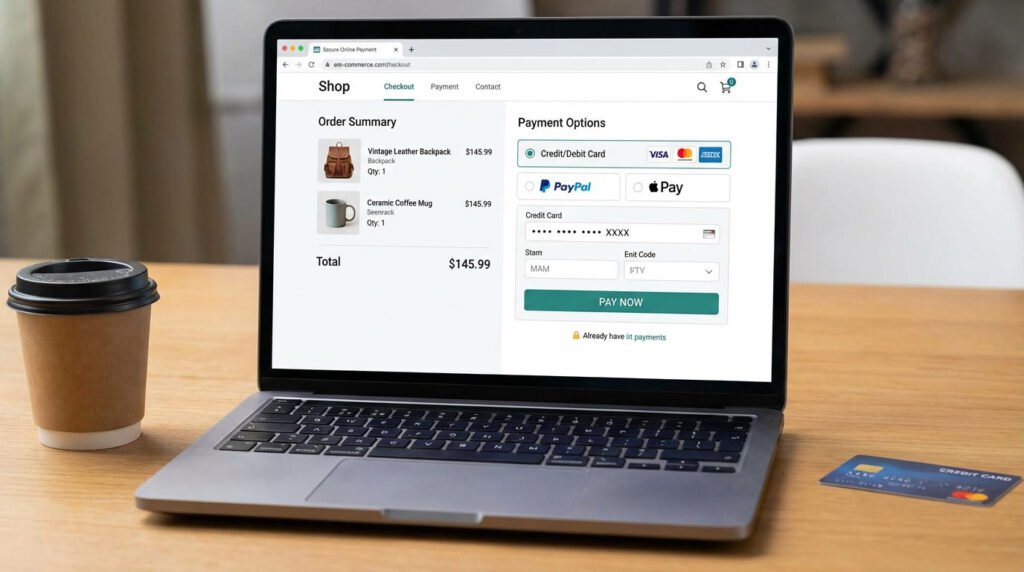
For online businesses, payment processing is only part of the customer journey. What often matters just as much is how smoothly customers move from basket to payment confirmation.
Bolt is positioned around the checkout experience. It is used by ecommerce businesses that want to reduce checkout friction, support faster repeat purchasing, and improve how online customers complete transactions.
This post explains what Bolt is designed for, and when it tends to be a good fit.
What Bolt is designed for
Bolt focuses on online checkout rather than in-person point of sale. The aim is typically to make checkout simpler, reduce avoidable steps, and improve the flow for returning customers.
Where Bolt tends to fit best
Bolt is often a better fit when checkout performance is a meaningful lever for the business and you want to improve the purchase journey without treating checkout as just a final payment screen.
Bolt may suit you if you:
Sell primarily online – and checkout is central to the customer experience
Prioritise conversion – and want to reduce friction at checkout
Have repeat purchasing – where returning customers benefit from a quicker process
Run higher order volume – where checkout changes can affect performance at scale
Track checkout metrics – and actively manage abandonment and conversion rates
What to think about before choosing Bolt
Not every online business needs a checkout-focused platform. The fit depends on scale, customer behaviour, and how much control you need over checkout performance.
Before deciding, it helps to confirm:
Your ecommerce platform setup – and how checkout is currently handled
Customer behaviour – new vs returning buyers and typical purchase frequency
Checkout friction points – where customers drop off, and why
Operational priorities – whether you are optimising growth or keeping systems simple
Simple takeaway
Bolt is designed for online-first businesses that want to improve checkout flow and reduce friction for digital purchases.
It tends to be more suitable when checkout performance is a real growth lever, especially where repeat purchasing and customer experience are priorities.
Partner links: This post may include partner links at no extra cost to you.